
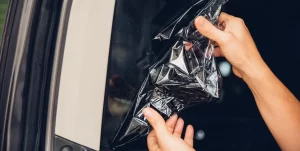
Car window tinting is a fantastic way to enhance the aesthetics of your vehicle while providing privacy, UV protection, and temperature control. But like any vehicle modification, it can come with its own set of challenges. Whether you’re a seasoned driver who’s already had your windows tinted or someone considering the change, knowing what common issues may arise with car tinting can save you from frustration and costly repairs.
In this article, we’ll explore the most common car tint issues, how to troubleshoot them, and what you can do to prevent these problems from cropping up in the first place.
1. Understanding Car Window Tinting Basics
Before diving into the problems, it’s important to understand what car window tinting is and how it works. Window tinting involves applying a thin film to your car’s windows to block out a certain percentage of visible light. Tints are typically made of a polyester film, and they can have varying degrees of darkness, depending on your preferences and local laws.
Types of Window Tint
- Dyed Film: Offers a darker look but can fade over time.
- Metalized Film: Reflective and durable, ideal for blocking UV rays.
- Ceramic Film: High-end tint with excellent heat-blocking and UV protection properties.
Each type comes with its own set of potential issues, so knowing what you’re working with is essential.
2. Common Car Tint Issues
Now that we know the basics, let’s dive into some of the most common issues people face with car window tinting.
2.1. Bubbling Tint
Problem: One of the most common complaints about window tint is bubbling. This happens when air or moisture gets trapped under the tint film, causing it to form small bubbles.
Why It Happens: Bubbling typically occurs when the tint is applied improperly or if the film is of low quality. It can also happen if the windows are cleaned improperly before installation or if the tint was applied too quickly and didn’t have time to adhere properly.
Solution: If your tint is still under warranty, it’s best to take the car back to the shop for a reapplication. If not, the tint may need to be removed and replaced. To prevent bubbling, make sure to choose a reputable tinting service.
2.2. Fading Tint
Problem: Over time, some types of window tint can fade, losing their effectiveness and appearance.
Why It Happens: Fading is often a result of exposure to sunlight, especially in areas with intense heat. Low-quality tints are more susceptible to fading because they don’t have the necessary UV-blocking properties.
Solution: The best way to prevent fading is to choose high-quality, UV-blocking tint materials, like ceramic films. You can also limit the amount of direct sunlight the car receives, but that’s not always practical. If the tint fades, the only solution is to remove it and have it replaced.
2.3. Peeling Tint
Problem: Peeling happens when the edges of the tint film begin to lift off the glass.
Why It Happens: Peeling is often a result of poor installation, using low-quality adhesive, or excessive exposure to heat. Peeling can also happen if the tint is exposed to harsh cleaning agents or excessive scrubbing.
Solution: Just like bubbling, peeling usually requires the tint to be removed and reinstalled. Be sure to use a trusted professional to ensure that the tint is installed correctly and that the adhesive is of high quality.
2.4. Tint That’s Too Dark
Problem: In some cases, you might find that your window tint is too dark, making it difficult to see out of the windows, especially at night.
Why It Happens: This can happen when the tint is applied beyond the legal limits of your state or country. It’s easy to get carried away with the idea of privacy or aesthetics, but it’s important to comply with local laws, which often regulate how dark car tints can be.
Solution: If you find your tint is too dark, the film can be replaced with a lighter shade that complies with your area’s regulations. Always check your state’s tinting laws before getting your windows tinted.
2.5. Discoloration
Problem: Some people notice that their tint starts to discolor over time, turning purple or fading to an undesirable shade.
Why It Happens: Discoloration usually occurs with dyed films or cheap tints, as they are not as resistant to UV rays and can degrade over time.
Solution: To prevent discoloration, choose a higher-quality tint, such as ceramic or metalized films. If the tint has already discolored, it will need to be replaced.
3. Troubleshooting Tint Problems: Tips and Solutions
When issues with your car’s tint arise, it’s important to know how to troubleshoot and resolve them. Here are a few helpful tips.
3.1. How to Fix Bubbling Tint
If you notice small bubbles in your tint, there’s a chance they’ll go away after a few days. However, if the bubbling persists, you’ll need to remove the tint. A professional can remove the old tint and apply a new one without damaging your windows.
3.2. How to Avoid Fading and Discoloration
Choose a reputable tinting service that uses high-quality films. Ceramic films are more durable and offer superior UV protection, preventing fading and discoloration. Make sure to also keep your car clean, as dirt and grime can contribute to faster wear.
3.3. How to Prevent Peeling
To avoid peeling, ensure that your tint is installed by a professional who knows how to properly apply the adhesive. Once the tint is applied, avoid cleaning the windows with harsh chemicals or using abrasive materials that could damage the film.
4. Tinting Car Windows Near Me: Finding a Professional
If you’re experiencing problems with your car’s window tint, the best option is often to take your car to a professional. Searching for “tinting car windows near me” will help you find local experts who can fix or replace your tinting. Always check reviews and ratings to ensure you’re choosing a trusted professional who will get the job done right.
5. Conclusion
While car window tinting can be a great upgrade, it’s not without its potential issues. From bubbling and fading to peeling and discoloration, knowing how to troubleshoot these common problems can help extend the life of your tint. By choosing a high-quality tint and working with a professional installer, you can avoid most of these problems. Regular maintenance and proper care will also go a long way in keeping your tint looking fresh and functional.
FAQs
1. How long does car window tint last?
Car window tint can last anywhere from 5 to 10 years, depending on the quality of the tint and how well it’s maintained. High-quality tints, like ceramic films, tend to last longer.
2. Can I remove window tint myself?
While it’s possible to remove window tint yourself, it’s often best to hire a professional to avoid damaging the glass and ensuring the removal is done properly.
3. How much does it cost to fix bubbling window tint?
The cost to fix bubbling window tint can vary depending on the extent of the problem and the quality of the tint used. It typically ranges from $100 to $400.
4. Is it illegal to have tinted windows?
The legality of tinted windows varies by location. Most places have regulations about how dark the tint can be, especially on front windows. Be sure to check your local laws before having your windows tinted.
5. Can I wash my car after tinting?
It’s best to wait at least 48 hours before washing your car after tinting. This gives the tint enough time to fully cure and adhere to the window.